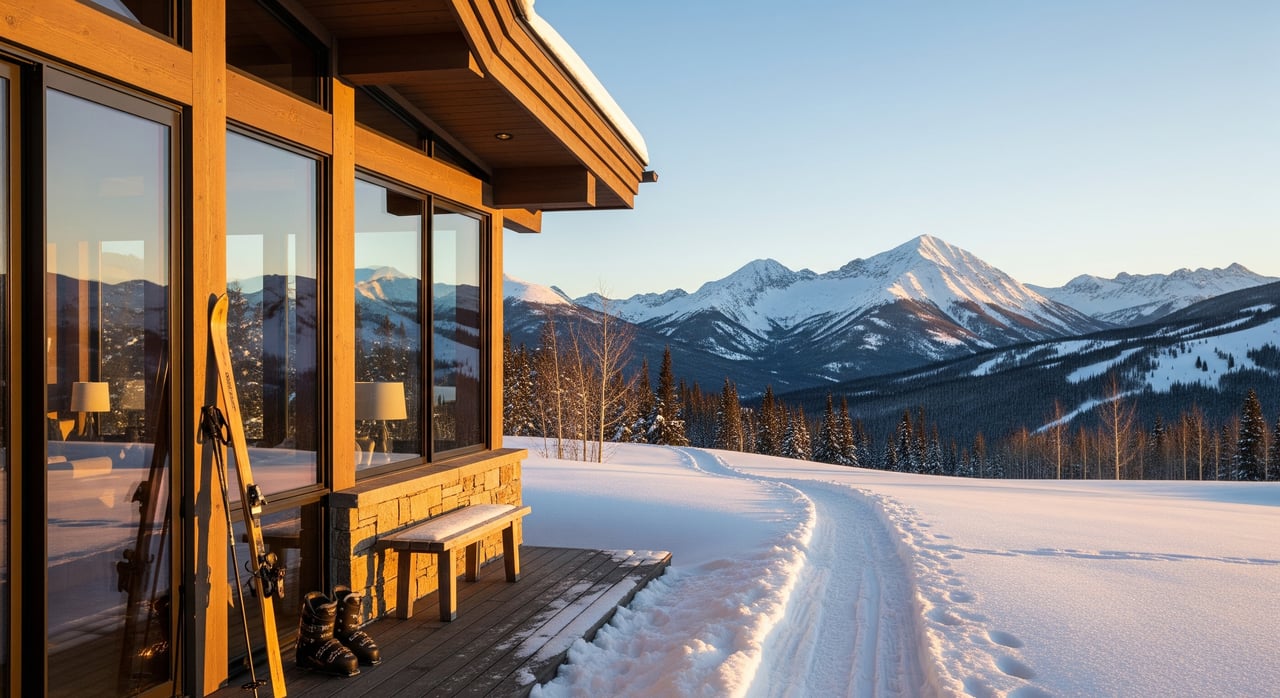
Ever pictured clicking into your skis on your porch and gliding straight to a lift? In Big Sky, that dream is real, but the details matter. “Ski-in/ski-out” covers a range of access types, and the difference between true door-to-piste and a short walk can affect your daily routine, costs, and resale value. In this guide, you’ll learn exactly what ski-in/ski-out means in Big Sky, how access works around the resort, key costs and rules, and a practical buyer checklist to help you decide if it’s right for you. Let’s dive in.
What ski-in/ski-out means
Ski-in/ski-out is a property with direct access to lift-served terrain without needing a car. In real life, it spans a spectrum.
The spectrum of access
- True door-to-piste: A private stairway, trail, or yard connects directly to a groomed run or marked trail. You clip in and go.
- Short-walk access: A 1–5 minute walk to a lift, marked trail, or dedicated ski path. Terrain and elevation change matter here.
- Shuttle-enabled access: Frequent resort or HOA shuttles to lifts. It’s still convenient, but it is not ski-out from the door.
- Private lift or connector: Some developments include conveyors, button lifts, or cat tracks that tie the neighborhood to lifts.
There is no single legal standard for “ski-in/ski-out.” It is a marketing term. Always confirm the exact route, easements, and any seasonal closures before you buy.
How it works in Big Sky
Resort layout and connections
Big Sky Resort includes multiple base areas and a large network of lifts and trails. Over time, ownership changes and the integration of Moonlight Basin terrain have expanded ski-access options. The best way to verify real-time connections is to review the latest Big Sky Resort information for trail maps, lift updates, and grooming notices.
Property types you’ll see
- Condo and lodge units clustered near lifts, often offering the most reliable true ski-out.
- Townhomes and single-family homes with private access paths or short walks to trails.
- Private-club or gated communities that market ski access and offer premium amenities and membership rules.
- Resort buildings with on-site features like ski valets, storage racks, and heated lockers to simplify your routine.
Access logistics to confirm
- The exact door-to-run route, including distance and elevation change.
- Whether the path is groomed or a maintained walkway, and how steep it is.
- Which paths remain open during heavy snow and avalanche control operations.
- Whether access crosses resort land and if a deeded easement is in place.
- Shuttle availability and frequency for days when you do not ski out.
- On-site features such as ski storage, boot rooms, and tuning services.
Getting to Big Sky in winter
Most owners and guests fly into Bozeman Yellowstone International Airport. Travel time to Big Sky is commonly about 45–75 minutes depending on your exact destination and winter conditions. You can check flight options and plan your arrival through Bozeman Yellowstone International Airport. Even with ski-in/ski-out at your door, plan for weather, road conditions, and arrival times, especially for back-to-back rentals.
Mountain safety and avalanche control
Some ski-access neighborhoods sit near steeper terrain. Avalanche mitigation work and temporary closures can affect ski access on certain days. To understand local conditions and historical patterns, monitor the Gallatin National Forest Avalanche Center and ask the seller or HOA what closures or controls have occurred near the property.
Costs, financing, and rental rules
Pricing and product mix
Ski-access homes in Big Sky typically command a premium over non-ski-access options. Condos and resort-managed units make up a large share of the inventory, while single-family ski-in homes are rarer and often priced higher. Market conditions shift with the broader luxury and second-home segments, so lean on recent ski-access comparable sales when you price or make offers.
Ongoing costs to expect
- HOA dues often run higher to cover snow removal, private roads, shuttles, heating infrastructure, reserves, and shared amenities like lockers and garages.
- Winter maintenance for owners may include roof snow load management, heating system checks, and regular snow clearing.
- Insurance can be higher for freeze and heavy snow risks, and it may need specific endorsements.
- Utilities and seasonal property management can add up, especially for absentee owners.
Financing and valuation nuances
- Lenders look at seasonal occupancy and resale marketability for resort properties.
- Fractional or resort-managed products can require specialized financing and higher down payments.
- Appraisals should use true ski-access comps. Deeded easements and private lift connections can materially affect value.
- Work with a lender familiar with mountain resort product to avoid surprises.
Short-term rentals and taxes
Short-term rentals are common in Big Sky, but rules and taxes apply. Before you buy, confirm:
- HOA and CC&R rules on rentals, such as minimum nights, registration, and management requirements.
- Local permitting or business license needs through Gallatin County. Start with the county’s information at Gallatin County Government.
- Lodging, resort, and state tax obligations and collection rules. Review guidance from the Montana Department of Revenue and verify current rates and filing requirements.
If you plan to sell, documented rental history, occupancy patterns, and average daily rate can support pricing for ski-access listings.
Buyer checklist for due diligence
Use this quick checklist to confirm the details that matter most:
- Walk the exact ski route from the door to the run or lift. Note distance, elevation change, steepness, and slip hazards.
- Verify access rights. Confirm any easements, maintenance agreements, and who grooms or plows the path.
- Ask about seasonality. Which routes close during heavy snow or avalanche control, and how often?
- Review HOA documents: budgets, reserves, snow and roof policies, shuttle operations, rental rules, and guest parking.
- Get true ski-access comps. Ask for recent sales with similar access type, not just any Big Sky property.
- Clarify parking: assigned spaces, guest passes, and peak-season limits.
- Confirm utilities and mechanical systems: heat type, freeze protection, and shared systems like central boilers.
- If renting, request performance data: occupancy by month, average daily rate, and operating costs.
- Identify a property manager who knows ski properties and winter check protocols.
Ownership and maintenance tips
Seasonal care
Mountain homes need diligent winter care. Plan for roof shoveling, ice dam prevention, pipe insulation, and routine heating checks. If you are away, set up a reliable local manager with written winter protocols and checklists.
Insurance and liability
Confirm that your policy covers heavy snow, freeze damage, and other mountain risks. If you plan to rent short term, ask your agent about host liability or commercial short-term rental endorsements. Some associations require proof of coverage.
Resale and liquidity
Ski-in/ski-out homes often sell at a premium, but higher-end resort properties can see slower absorption during broader market downturns. When you decide to list, show the access clearly with photos, map callouts, or a video of the path to the run or lift. Rental history, if available, can strengthen buyer confidence.
Is ski-in/ski-out right for you?
If you want to maximize ski days and simplify life with gear, ski-in/ski-out can be a great fit. You get convenience, strong lifestyle appeal, and the potential for premium rental demand. The tradeoffs are higher carrying costs, detailed HOA rules, and the need to confirm access routes and safety measures.
If you are more price-sensitive or plan to use the property year-round with less focus on winter, a near-resort home with shuttle access may deliver most of the benefits at a lower price point. The key is to match the type of access to how you will actually live and travel in Big Sky.
Work with a local guide
Interpreting ski-access language, reading HOA budgets, and verifying paths on the ground takes local knowledge. If you want a clear plan for touring the right homes, reviewing true ski-access comps, and understanding rental and tax rules, connect with a trusted local team. When you are ready, reach out to Chelsea Stewart to talk strategy, schedule tours, or request a free home valuation.
FAQs
What does “ski-in/ski-out” mean in Big Sky?
- It refers to direct access to lift-served terrain from your property or its immediate vicinity, ranging from true door-to-piste to short-walk or shuttle-supported access.
How long is the winter drive from the airport?
- From Bozeman Yellowstone International Airport to Big Sky, plan roughly 45–75 minutes depending on exact destination and winter road conditions.
Are short-term rentals allowed for ski-access homes?
- Many are, but rules vary by HOA and location, and taxes apply; verify HOA policies, Gallatin County permits, and state lodging tax requirements.
Can avalanche control affect my ski access?
- Yes, mitigation and temporary closures can limit access on certain days; monitor the Gallatin National Forest Avalanche Center and ask the HOA for history.
How can I verify a listing’s ski access before buying?
- Walk the route, confirm easements and maintenance, review HOA documents, and compare with current Big Sky Resort trail and lift information.
What property types offer true ski-out most often?
- Condos and lodge buildings closest to lifts often deliver the most consistent true ski-out, while homes may offer private trails or short-walk access.
Will ski access improve resale value?
- Ski-access homes often command a premium, though market conditions and product type influence pricing and absorption during different cycles.