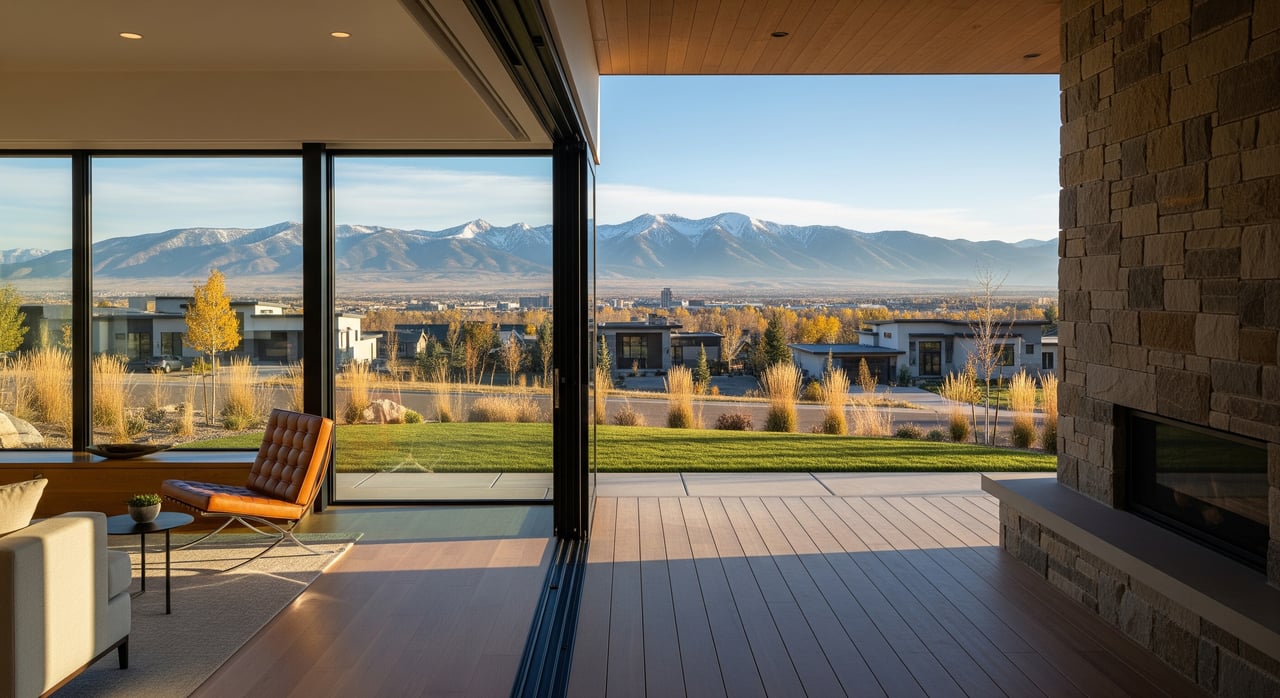
Wondering if your Bozeman life looks like morning coffee on Main Street or sunset views from a bigger backyard? You’re not alone. With rapid growth and distinct neighborhood personalities, choosing between the city’s core and its suburbs can feel like a big decision. This guide breaks down daily life, housing styles, outdoor access, schools, and the real trade-offs so you can find a fit that matches how you actually live. Let’s dive in.
Bozeman at a glance
Bozeman has grown quickly in recent years. You see the influence of Montana State University, a rising tech and small business scene, and year-round outdoor recreation that pulls people here from across the country. That growth has fueled steady housing demand and more new development on the city’s edge.
In the market, you’ll feel the difference by micro-location. Close-in, highly walkable areas and homes with mountain or valley views tend to command a higher price per square foot. Newer subdivisions on the outskirts often deliver more interior space and larger lots for the money.
Transportation is a blend of car travel and an expanding network of multi-use trails. Commuter traffic has picked up on main corridors during peak hours, and public transit is more limited than larger metros. Bozeman Yellowstone International Airport in nearby Belgrade offers regular flights, which is a plus if you travel regularly.
Climate shapes daily life. Winters are cold and snowy and summers are warm, with occasional wildfire smoke events in the region. If you’re eyeing mountain-access properties, such as areas in Bridger Canyon, you’ll want to consider seasonal road access and localized avalanche risk. Snow removal, water use, and seasonal maintenance are part of homeownership anywhere in the valley.
Downtown and historic core
Homes and lots
In the core around Main Street and nearby historic blocks, you’ll find early 1900s Craftsman and bungalow homes, some Victorian details, small-lot condos and townhomes, and occasional duplexes or conversions. Lots are smaller, many yards are compact, and recent infill has increased density. If you prefer classic architecture and a central address, this area stands out.
Daily life and walkability
Downtown offers Bozeman’s highest walkability. Restaurants, bars, galleries, theaters, and shopping are a short stroll for many central addresses. On the busiest blocks, on-street parking can be tight, and the energy is lively well into the evening.
Parks, trails, and green space
You get quick access to the city’s lower-elevation trails and parks. The Story Mill area trails and other municipal paths connect neighborhoods to green spaces for easy runs and bike rides. Most longer singletrack and mountain trailheads are a short drive away.
Schools and logistics
Addresses here fall within the Bozeman School District. Exact school assignments depend on the block, so confirm boundaries for any property you’re considering. Smaller lot sizes are common, which appeals to people who prioritize location over yard size.
Who it fits
You’ll enjoy downtown if you want a pedestrian-oriented lifestyle, love evening events, and prefer short trips for dining and culture. Many residents are students, faculty, young professionals, and empty nesters who value the experience of living near Main Street.
Trade-offs
Expect higher price per square foot, smaller yards, and more activity. Noise, privacy, and parking are typical considerations in the most central blocks. If a private, expansive backyard is your priority, this may feel tight.
Established neighborhoods close-in
Homes and lots
Just beyond the core, mid-century ranches, split-levels, and remodeled homes sit on mid-size lots. Many streets have mature trees and a neighborhood feel. Renovations and tasteful updates are common, and some pockets have architecturally refreshed properties.
Daily life and walkability
Walkability is moderate, with easy bike rides or short drives to grocery stores, coffee shops, parks, and schools. Certain streets feel especially bike-friendly, and you’re still close to downtown without living in the middle of the bustle.
Parks, trails, and green space
These neighborhoods often back up to municipal trail corridors and community parks. It’s convenient to hop on a path for a daily run, push a stroller to a playground, or bike toward downtown along connected routes.
Schools and logistics
These areas are popular with households that want a balance of space and convenience. School assignments vary by block, so verify boundary maps and program options with the district. Homes may come with older systems, which is something to check during inspections.
Who it fits
If you’re looking for a quieter neighborhood feel without giving up proximity to downtown, this is a strong match. Many residents are long-term locals, mid-career professionals, and households that value parks, trails, and community amenities.
Trade-offs
You trade downtown’s buzz for more private outdoor space. Since many homes are older, you may plan for updates or ongoing maintenance. The vibe is residential and steady rather than nightlife-focused.
Newer suburbs and exurban communities
Where and what to expect
On the edges of Bozeman and into Gallatin County, you’ll see master-planned subdivisions, newer single-family homes, and large-lot rural properties. Nearby Belgrade, home to the airport, and Four Corners offer a range of new-construction choices. Mountain-access communities such as Bridger Canyon lean rural and scenic, with seasonal access factors to consider.
Homes and lots
You’ll find newer systems, modern floor plans, and larger lots compared with the core. Some neighborhoods include HOA-maintained parks, sidewalks, and internal trail loops. Rural properties may have wells and septic systems, which require different inspections and ongoing maintenance.
Daily life and convenience
Most errands are car-dependent. Some planned communities offer pocket parks or limited retail nearby, but downtown amenities are a drive. In exchange, you gain more indoor and outdoor space, often with a calmer street scene.
Trails and outdoor access
At the regional level, access can be excellent. Many suburban locations are a short drive to trailheads and fishing or skiing corridors, and some neighborhoods include multi-use paths for daily miles. For singletrack mountain biking or high-country hikes, plan on a quick drive to your favorite trailhead.
Schools and logistics
Families often choose suburban areas for larger yards and newer homes. In fast-growing subdivisions, school capacity and bus routes are common questions, so check assignments early. HOA covenants may guide exterior changes and how you use the property, which can be helpful for neighborhood consistency.
Who it fits
If you want more space and newer construction, or you’re relocating and seeking value per square foot, suburban and exurban areas are a natural fit. Rural buyers who prioritize privacy or mountain access often focus here as well.
Trade-offs
Expect longer drives to downtown events and fewer walkable options outside the neighborhood. You may give up historic charm for modern systems and square footage. Some areas have HOA governance, so review rules before you buy.
The practical trade-off checklist
Use this quick list to compare homes you like across different parts of Bozeman.
- Walkability vs. Yard Size: Do you value being a short walk to dining and events, or is a larger private backyard more important?
- Price per SF vs. Total Square Footage: Is design and location the driver, or do you want the most space for your budget?
- Commute Time vs. Recreation Access: Will you travel during peak hours, or do you want to be closer to regional trailheads and rural recreation?
- Schools vs. Nightlife Proximity: Do you prefer a quiet evening routine near parks and schools, or easy access to downtown events?
- Newer Systems vs. Historic Character: Are modern mechanicals and insulation a must, or do you want older-home charm and central streets?
- HOA Covenants vs. Flexibility: Would consistent neighborhood standards be a benefit, or do you prefer fewer restrictions?
Real-life mini-scenarios
- A downtown Saturday: You walk to coffee on Main Street, browse a gallery, swing by the farmers market at Bogert Park, and bike home along a city trail. Dinner is a short stroll away.
- A close-in weekday: After work, you jog a neighborhood trail, let the dog run at a nearby park, and bike five minutes to meet friends. You’re close to downtown without living in the middle of it.
- A suburban Sunday: You load the bikes in the SUV, hit a trailhead for a long ride, and host a barbecue in a big backyard. Errands are a quick drive, and parking is easy.
What to verify before you choose
- Commute and travel: Test drive your route during peak hours and consider proximity to the airport if you fly often.
- School boundaries and timing: Confirm assignments, enrollment windows, and program availability with the Bozeman School District for the specific address.
- Utilities and services: Ask about internet options, well and septic maintenance for rural properties, snow removal, and who maintains roads in winter.
- HOA rules and fees: Review covenants, landscaping standards, and any amenities so there are no surprises.
- Outdoor risks and insurance: Understand seasonal wildfire smoke and wildfire risk, and for mountain-access areas, review winter access and any avalanche considerations.
- Future development: Growth can change a block. Review city planning documents and recent proposals near the home.
- Market tempo: In a competitive environment, prepare for quick decisions, while keeping inspections and contingencies in place to manage risk.
How to decide where to live
Start with your daily routine. List the three things that matter most, such as walkability, yard size, or mountain access. Visit in different seasons to see winter driving and summer trail use. Tour at different times of day to understand traffic and neighborhood activity. Compare two or three homes across areas to feel the compromises directly, then align your search with the lifestyle that energizes you.
When you want neighborhood-level guidance across Bozeman, close-in streets, and the surrounding suburbs, connect with a local advisor who can vet school boundaries, HOA documents, and municipal plans while mapping homes to your day-to-day routine.
Ready to explore Bozeman’s core and suburbs with a plan that fits your lifestyle and budget? Reach out to Chelsea Stewart for a neighborhood consult and on-the-ground tours that help you move with confidence.
FAQs
Is downtown Bozeman worth the premium for lifestyle?
- If you prioritize walkability, culture, and short trips for dining and entertainment, the downtown core delivers that lifestyle, with the trade-off of smaller yards and higher price per square foot.
Which Bozeman areas tend to suit households seeking more yard space?
- Established neighborhoods and newer suburban subdivisions typically offer larger lots and neighborhood parks, but confirm school boundaries and commute patterns for your specific address.
How long are commutes from Bozeman’s suburbs to downtown?
- Within Bozeman, commutes are usually short, though peak-hour congestion on major corridors can add time; exurban and some suburban locations will lengthen the drive.
What should out-of-state buyers know before purchasing in Bozeman?
- Visit in multiple seasons, be ready for a competitive market pace, confirm school assignments and utilities early, and work with a local agent who understands neighborhood micro-differences.
How does winter affect daily life in different Bozeman areas?
- Snow management is a factor everywhere, with city or county plowing in most areas; rural and mountain-access roads and steep driveways require extra planning and maintenance.
What outdoor risks should buyers consider near Bozeman?
- Seasonal wildfire smoke and wildfire risk are regional considerations, and mountain-access communities can have localized avalanche risk and winter access factors to review before you buy.