If you are looking for a place where daily life feels a little slower and more connected, Manhattan, Montana, is worth a closer look. In a region known for growth and outdoor access, this small Gallatin Valley town offers a different rhythm, one shaped by local businesses, community events, and easy access to trails and rivers. Whether you are relocating, moving within the valley, or simply comparing communities, understanding Manhattan’s lifestyle can help you decide if it fits the way you want to live. Let’s dive in.
What small-town living means here
Manhattan is a compact town with 2,288 residents spread across 1.8 square miles, according to Census Reporter’s community profile. That scale is a big part of the appeal. You are not choosing Manhattan for a fast-paced urban environment. You are choosing it for a place where home, downtown, and community spaces feel closely connected.
The same census profile reports 927 households, a median age of 38.6, a median household income of $87,865, and a mean travel time to work of 17.4 minutes. Those numbers suggest a town where many residents can stay closely tied to daily routines without long commutes. For buyers who want a quieter base in Gallatin County while staying within reach of the wider valley, that can be a meaningful advantage.
Manhattan has deep local roots
Part of Manhattan’s character comes from its history. The Town of Manhattan history page explains that the community began as Hamilton in 1865, became Moreland after the Northern Pacific arrived in 1883, and was renamed Manhattan in 1890 before incorporating in 1911.
That same history reflects the town’s long connection to rail, ranching, and agriculture. The Manhattan Malting Co., local farming, and early public school development all helped shape the town’s identity. Today, that history still shows up in the feel of the community: practical, grounded, and connected to the land around it.
Main Street still matters
One of the clearest signs of Manhattan’s small-town lifestyle is that local business activity still plays a central role in everyday life. The Manhattan Area Chamber of Commerce focuses on business support and local prosperity, and it promotes a year-round Shop Local Saturday Initiative.
The chamber also highlights a small-business mix that includes banking, health care, plumbing and heating, a bakery, a boutique, a brewery, and other service businesses. In practical terms, that means Manhattan offers the kind of day-to-day convenience many buyers want, but in a setting that still feels personal and local.
The town’s tourism site, Discover Manhattan, points to downtown shopping, Taylor Park, the Manhattan Area Museum, Railroad Park, and the Gallatin River as anchors of town life. That combination says a lot about what living here feels like. Instead of a town built around constant expansion or entertainment districts, Manhattan feels centered on local gathering places and familiar routines.
Community events shape the calendar
In many small towns, events are not just nice extras. They help define the rhythm of the year. Manhattan fits that pattern well, with annual traditions that bring residents and visitors together.
According to the chamber’s event information, the Manhattan Christmas Stroll takes place in early December and centers on socializing, shopping locally, food, drinks, and activities for kids. The summer Farmers Market at Railroad Park features baked goods, art, crafts, food trucks, live music, and fresh produce. The Classic Car Show & Farm Fun brings together classic vehicles, farm animals, vendors, food, and music.
The tourism site also highlights the Manhattan Potato Festival and a Community Concert with the Bozeman Symphony. Together, these events reinforce a key part of Manhattan’s identity: this is a place where town traditions still matter and where community life is visible, not hidden behind schedules and traffic.
A connected Gallatin Valley lifestyle
Although Manhattan feels small, it is not isolated. The Manhattan Area Chamber notes that its service area includes Manhattan, Gallatin River Ranch, Churchill/Amsterdam, Logan, Three Forks, and Belgrade. That wider footprint helps explain why many buyers see Manhattan as part of a broader Gallatin Valley lifestyle network.
For you as a buyer, that can mean a useful balance. You get the smaller-town atmosphere of Manhattan while still staying connected to nearby communities for work, recreation, and services. If you want a home base that feels calmer without feeling cut off, Manhattan may check that box.
Schools and activities in Manhattan
For buyers comparing communities, school access and student activities often play a major role in the decision-making process. In Manhattan, the public option is Manhattan School District #3, which serves the town with an elementary school, middle school, and high school.
The district also lists a wide range of extracurricular opportunities, including athletics, speech and drama, BPA, FCCLA, student council, NHS, golf, cross-country, football, softball, and track. For households looking for a town where school activities are woven into local life, that breadth can be an important part of the picture.
Manhattan also has a private K-12 option, Manhattan Christian School. Its website highlights weekly chapel, discipleship groups, worship, and a range of specials and electives across grade levels. For buyers who want to understand the local educational landscape, it is helpful to know both public and private options are available in town.
Outdoor access is part of daily life
One of Manhattan’s strongest lifestyle advantages is how easy it is to stay close to outdoor recreation. The Town of Manhattan website promotes a trail connection from town to the Gallatin River, and it describes the Manhattan Trail System as a volunteer effort to connect Manhattan with Three Forks’ Headwaters Trail System. The proposed full trail length is about 8 miles.
That matters because outdoor access here is not only about weekend trips. It is part of the everyday lifestyle. Trails, parks, and river access help shape how people spend their free time and how connected they feel to the landscape around them.
Nearby Missouri Headwaters State Park adds even more recreation and historical interest. Montana Fish, Wildlife & Parks notes that this is where the Jefferson, Madison, and Gallatin rivers merge to form the Missouri River. The park offers foot trails, river floating, fishing, picnicking, bicycling, hiking, interpretive displays, and wildlife viewing.
What the housing mix tells you
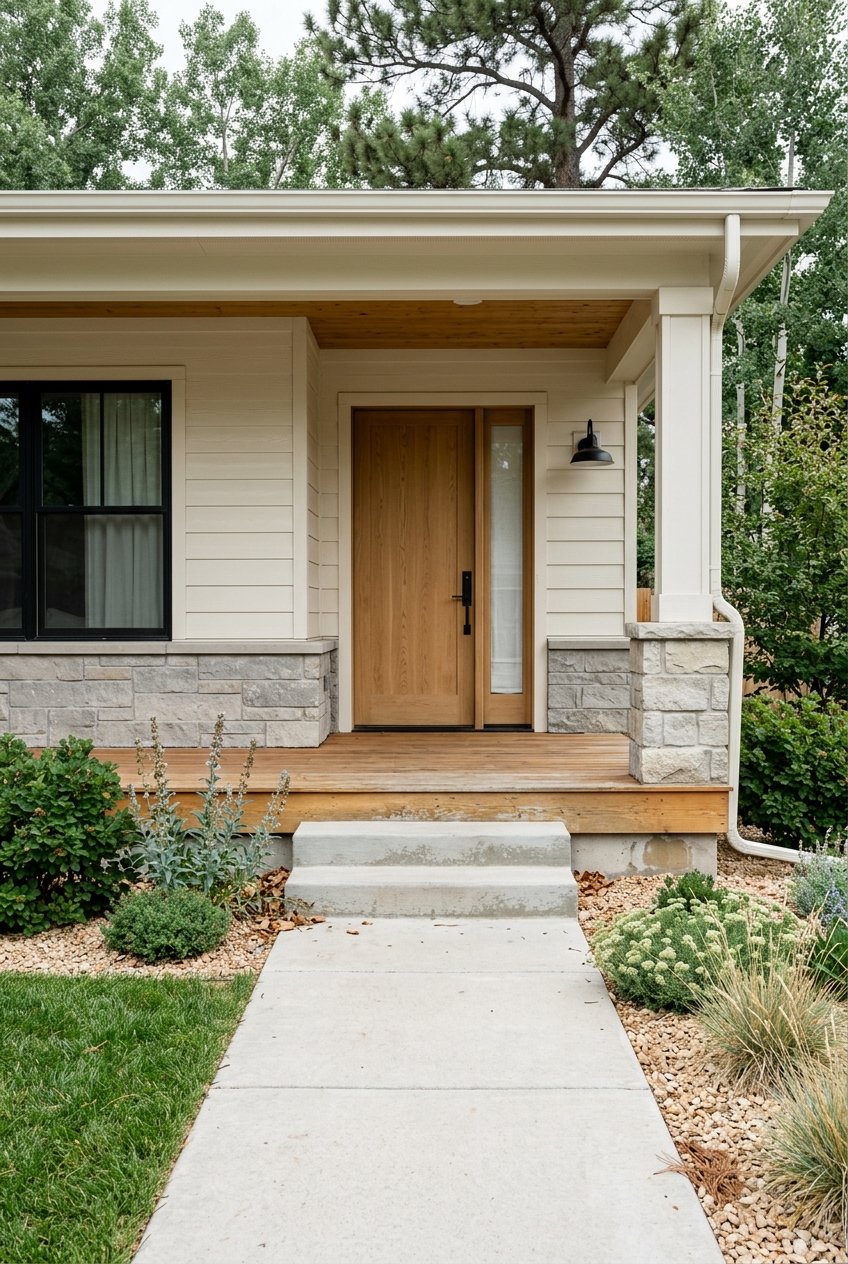
If you are considering a move to Manhattan, the housing stock helps explain the lifestyle. Census-based data compiled by Point2Homes shows that 78% of housing units are detached single-family homes. By comparison, 4% are attached homes, 6.2% are in 5-to-9-unit buildings, and 2% are mobile homes.
That mix points to a community where stand-alone homes play the leading role. It also suggests that buyers looking for higher-density housing may find fewer options than in larger or more urbanized markets. If your goal is a traditional neighborhood feel with a stronger concentration of detached homes, Manhattan aligns well with that preference.
The same data shows that about 75% of occupied units are owner-occupied, the median construction year is 1984, roughly 20.5% of homes were built before 1940, and 19.4% were built from 2010 to 2019. In other words, Manhattan offers a mix of older homes, mid-era homes, and newer builds rather than one uniform housing style.
Who Manhattan may appeal to most
Manhattan tends to stand out for buyers who want a few specific things:
- A smaller-town setting in Gallatin County
- A lifestyle tied to local businesses and annual events
- Detached single-family housing as the dominant home type
- Access to trails, parks, and rivers
- A location that feels connected to the wider valley without feeling overly busy
That does not mean Manhattan is the right fit for every buyer. If you want dense retail, a larger housing inventory, or a more urban pace, you may prefer another part of the valley. But if you value community traditions, a close-knit downtown atmosphere, and a quieter daily rhythm, Manhattan offers a strong case.
Why lifestyle matters in your home search
Buying a home is never just about square footage or finishes. It is also about how a place supports your day-to-day life. Manhattan’s appeal comes from the way its parts work together: local history, a small downtown, school-centered activity, community traditions, and outdoor access.
That combination creates a lifestyle that feels rooted and approachable. For many buyers, especially those moving to Gallatin Valley for more space and connection, that is exactly the point.
If you are exploring homes in Manhattan or comparing it with other Gallatin Valley communities, working with a local team can help you match the market to your lifestyle goals. When you are ready to talk through neighborhoods, home types, and what fits your next move, connect with Chelsea Stewart for trusted local guidance.
FAQs
What is daily life like in Manhattan, Montana?
- Daily life in Manhattan tends to center on a slower pace, local businesses, community events, and easy access to parks, trails, and the Gallatin River.
What types of homes are most common in Manhattan, Montana?
- Detached single-family homes are the most common housing type in Manhattan, making up 78% of housing units according to Point2Homes.
What community events take place in Manhattan, Montana?
- Manhattan’s annual events include the Christmas Stroll, Farmers Market, Classic Car Show & Farm Fun, Manhattan Potato Festival, and a Community Concert with the Bozeman Symphony.
What school options are available in Manhattan, Montana?
- Manhattan School District #3 serves the town with elementary, middle, and high school campuses, and Manhattan Christian School offers a private K-12 option.
Is Manhattan, Montana connected to the rest of Gallatin Valley?
- Yes. Manhattan is part of a broader Gallatin Valley network that includes nearby communities such as Belgrade, Logan, Three Forks, Churchill/Amsterdam, and Gallatin River Ranch.