Thinking about a second home in Big Sky but unsure where to start? You are not alone. Buyers from across the country are weighing ski access, rental potential, and year-round lifestyle before they make a move. In this guide, you will learn who is buying, how seasonality affects occupancy, the condo versus single-family trade-offs, and practical steps to compete with confidence. Let’s dive in.
Big Sky’s pull for second-home buyers
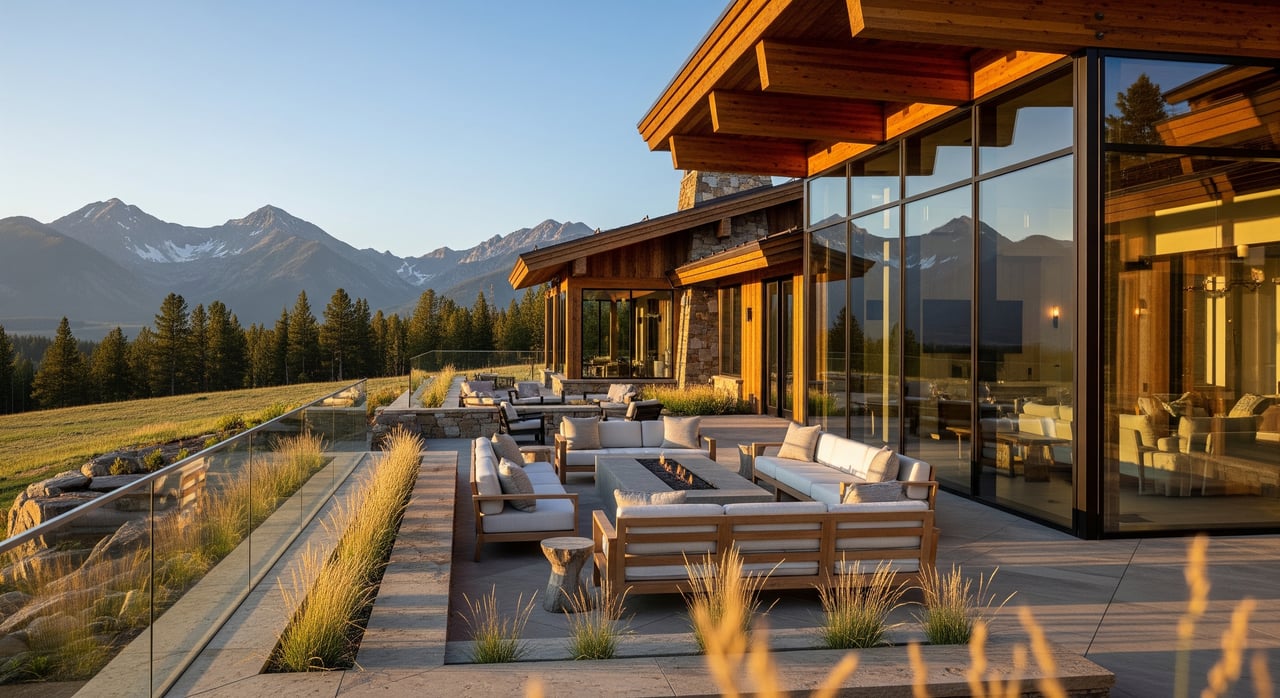
Big Sky attracts second-home owners for a simple reason: you get an iconic ski resort paired with four-season outdoor living. Proximity to lifts, on-mountain amenities, and resort services makes ski-in and ski-out locations especially desirable for winter-focused buyers. Summer brings a second wave of demand with hiking, biking, fly-fishing, river access, Yellowstone day trips, and community events.
Limited developable land, master-planned communities, and controlled growth can constrain supply in the most desirable micro-markets. That often supports higher prices where resort access, views, and amenities converge. Remote work has also changed the equation. More buyers are staying longer and using homes in shoulder seasons, which can influence neighborhood choice and the need for reliable broadband and services.
Who’s buying in Big Sky
You will meet several buyer profiles in this market, and your own goals likely match one of them:
- Out-of-state high-net-worth buyers seeking brand-name resort access and luxury homes near lifts or private club amenities.
- Regional and Montana-based buyers who want a seasonal retreat or a multigenerational gathering place.
- Remote workers and lifestyle migrants planning longer stays, with some converting second homes into primary residences over time.
- Investors focused on nightly rentals near the village core and other high-demand areas, often prioritizing convenience and strong management options.
- Retirees and part-time residents drawn to quiet, recreation-first living with access to healthcare and services in the Bozeman area.
Common behaviors include a higher share of cash purchases, flexible timing across ski and summer seasons, and a premium on low-maintenance living. Buyers who value walkability, concierge services, and rental management often lean toward resort-area condos or townhomes.
Seasonality and occupancy at a glance
Expect two peak seasons. Winter occupancy centers on ski season, with holiday weeks like Christmas and Presidents’ Week drawing the strongest stays. Summer is the second peak, driven by trail access, river recreation, and regional tourism. Shoulder seasons can be uneven, although remote work and expanding activities such as mountain biking and festivals are lifting demand between peaks.
If you plan to rent your home when you are not using it, build your calendar around these surges. Holiday windows often command the highest nightly rates and book earliest. The more you can align your own visits with off-peak periods, the better your potential occupancy and guest revenue during peak weeks.
Short-term rentals: what to consider
Short-term rental performance varies by location, property type, and services. Village and Canyon condos typically see reliable demand due to walkability to lifts, dining, and services. Single-family homes can achieve higher nightly rates but may have lower occupancy and higher operating costs.
Before you model returns, look closely at these factors:
- Local rules and HOA covenants. Short-term rental regulations and permitting can change. Confirm county rules and HOA policies for your target building or neighborhood.
- Property management. Availability, fees, and service levels matter. Ask about housekeeping, linens, guest services, and marketing.
- Operating costs. Budget for utilities, HOA dues, snow removal, winterization, and repairs. In mountain environments, winter costs can be meaningful.
- Insurance. Evaluate coverage for mountain and wildfire risk, and any special requirements tied to rental activity.
Treat revenue as an estimate until you validate assumptions with current data and local property managers.
Condos vs single-family homes
Your lifestyle and time on site should guide the choice more than anything else. Here is how buyers often match to each product type in Big Sky.
Condos and resort-managed units
- Best if you want convenience, walkability, and lower-maintenance ownership.
- Strong fit for nightly rentals, especially near village areas and lifts.
- Expect HOA dues that cover services you may value, like shuttle or on-site maintenance.
Townhomes and duplexes
- A middle ground when you want more space than a condo without the full burden of a stand-alone home.
- Can still fit well with rental programs, depending on location and HOA rules.
Single-family homes and luxury mountain residences
- Ideal if you want privacy, larger lots, and room for extended stays or multigenerational use.
- Purchase prices vary widely based on views, acreage, and club or resort adjacency.
- Nightly rental potential exists but often with higher costs and more hands-on management.
Focus on total cost of ownership rather than purchase price alone. For many second-home buyers, the right HOA services can offset higher dues by reducing travel hassles and maintenance time.
How trends shape pricing and competition
Limited inventory in resort-adjacent micro-markets, combined with steady out-of-state demand, can support higher pricing. New development near lifts or within master-planned communities can change the balance, although effects depend on the product mix and release timing. Nightly rental economics can also lift competition and price per square foot for condo buildings with proven demand.
Competition varies by product type and location. Village-area condos may see more frequent bidding pressure, especially for updated units with strong rental histories. Trophy single-family homes trade less often, and negotiation dynamics can be unique to the property. Cash buyers and quick closings are common in second-home markets, which is why your preparation timeline matters.
Buyer playbook: steps to get ready
Move faster and negotiate from a position of strength with a simple plan.
- Clarify your use plan
- How many weeks per year will you be here, and in which seasons?
- Do you need walkable access to lifts and dining, or will a shuttle or short drive work?
- Will you rent when you are not using the home, and who will manage it?
- Get financing aligned early
- Obtain pre-approval for second-home or investment-loan products specific to your target property type.
- Understand down payment, rate, and underwriting differences for non-owner-occupied loans.
- Ask your lender about condo project reviews and any limits tied to short-term rentals.
- Dig into rules and costs
- Review HOA budgets, dues, rental policies, pet rules, parking, and storage.
- Confirm county or community short-term rental rules and required permits or taxes.
- Price insurance with a local broker who understands mountain and wildfire risk.
- Pressure-test your rental model
- Use current market data and a local manager’s projections to set realistic occupancy and rate assumptions.
- Add line items for management, cleaning, supplies, utilities, snow removal, and maintenance.
- Prepare for competition
- Have proof of funds or pre-approval in hand.
- Align your timing with seasonal listing patterns, and be ready to tour quickly.
- Work with a local agent who can flag coming-soon or off-market opportunities and advise on micro-market nuances.
Micro-market snapshots to consider
Big Sky is a collection of micro-markets with distinct lifestyles and demand drivers. Here are a few well-known areas described in neutral terms to help you align your search.
Village and Canyon areas
- Walkable access to lifts, dining, and services.
- Strong fit for nightly rentals and low-maintenance living.
Meadow Village and surrounding neighborhoods
- Mix of condos, townhomes, and single-family options.
- Convenient for year-round living and extended stays with access to trails and community amenities.
Moonlight Basin and Spanish Peaks
- Master-planned, amenity-rich settings with luxury residences and club offerings.
- Privacy, views, and resort proximity can command premiums.
Outlying single-family and acreage properties
- Fewer listings, broader variation in scale and views.
- Often chosen for privacy and multiseason use, with less emphasis on walkability.
Where you will be happiest depends on your daily rhythms in winter and summer, plus how much you value rental convenience versus privacy and space.
Due diligence that pays off
Mountain properties can involve unique considerations. Title, access easements, water rights or rights-of-way, and building codes can be more complex than in-town properties. Set expectations for inspections and consult specialized professionals when needed. Confirm wildfire mitigation steps and evaluate defensible space and insurance options early.
The bottom line
The second-home market in Big Sky is driven by resort access, four-season lifestyle, and limited supply in the most sought-after locations. Investors gravitate to village-area condos for convenience and potential rental demand, while extended-stay and multigenerational buyers often select single-family homes for privacy and space. Cash and quick closes are common, so preparation is your best advantage. If you align your use plan, financing, and due diligence upfront, you can move decisively when the right property appears.
Ready to map the right micro-market to your goals and budget? Connect with Chelsea Stewart Real Estate for local guidance, from community orientation to offer strategy. Reach out to Chelsea Stewart to start a focused search today.
FAQs
What makes Big Sky attractive for second homes?
- Resort access, four-season recreation, and limited supply in key micro-markets create a unique mix of lifestyle and value for second-home owners.
Who typically buys second homes in Big Sky?
- Out-of-state luxury buyers, regional owners, remote workers, investors targeting nightly rentals, and retirees seeking part-time mountain living are common.
How does seasonality affect occupancy and rentals?
- Winter ski season and summer recreation are the two peaks, with holiday weeks driving the strongest occupancy and rates.
Should I buy a condo or a house for rental potential?
- Condos near lifts often see steadier demand with simpler management, while single-family homes can achieve higher nightly rates but with higher costs.
What rules and costs should I confirm before I buy?
- Verify HOA policies, county short-term rental requirements, insurance for mountain and wildfire risk, and all operating expenses tied to property management.