Thinking about trading traffic and noise for mountain views and river days? If Manhattan, Montana is on your short list, you probably want the nuts and bolts on commuting, weather, and day-to-day life before you make a move. You also want to know what to check for rural properties and how to set yourself up for a smooth transition. This guide gives you a clear overview, helpful resources, and practical steps so you can relocate with confidence. Let’s dive in.
Manhattan snapshot
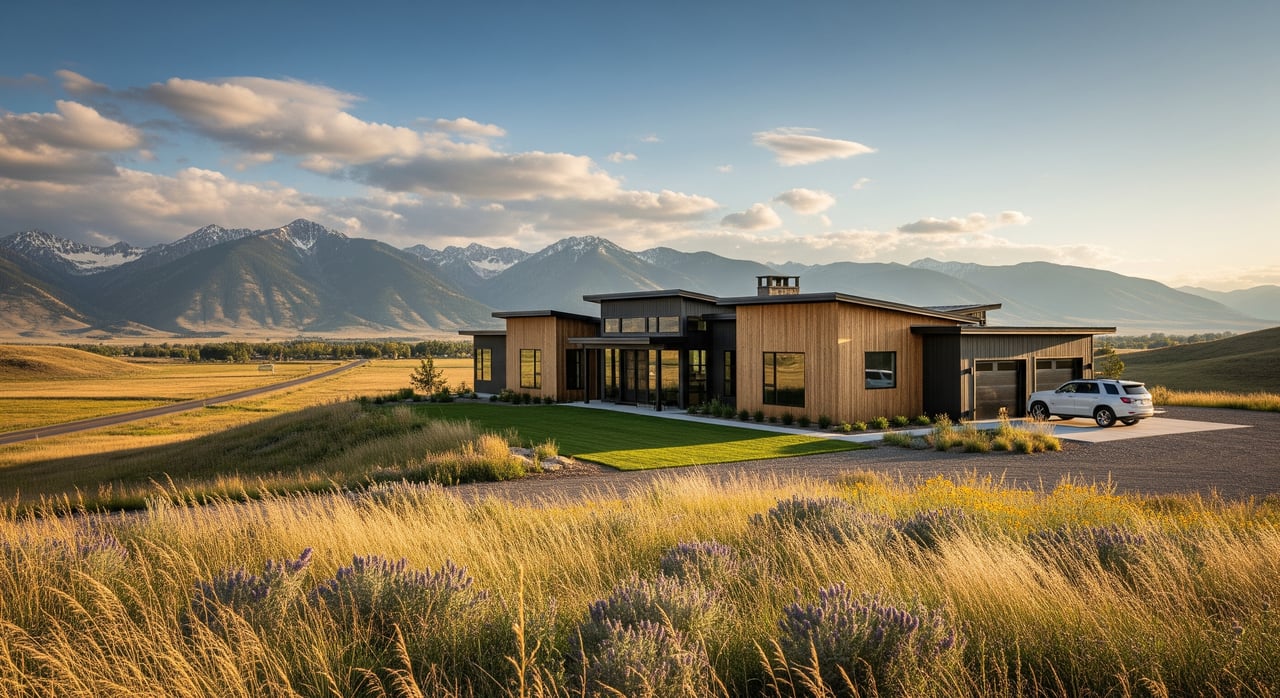
Manhattan is a small, rural town in Gallatin County tucked in the Gallatin Valley near the Gallatin River. You get a quiet, close-knit feel with quick access to bigger-city amenities and jobs in Bozeman. Many residents choose Manhattan for space, views, and an outdoor lifestyle while staying within reach of regional services.
Population, housing, and employment trends across the valley have been shaped by Bozeman’s growth. If you want the latest data on who lives here and how the area is changing, start with the U.S. Census Bureau’s tools on American Community Survey data. These sources help you compare household sizes, commute patterns, and income across Gallatin County.
Commute and transportation
Key routes and driving reality
Personal vehicles are the norm here. Most commuters drive to Bozeman, Belgrade, or other nearby employment centers. Drive times vary by time of day and season, especially during winter weather. For an accurate picture, test your route at the same time you would normally travel and repeat it after a snowfall.
Winter driving and road conditions
Snow and ice can slow traffic and extend travel times. Before you head out, check statewide updates from the Montana Department of Transportation and current advisories from the National Weather Service. Keep a winter kit in your vehicle, plan extra time, and consider dedicated snow tires.
Public transit options
Public transit in rural Gallatin County is limited, and most routes concentrate closer to Bozeman. If you will rely on transit, confirm route coverage, schedules, and any park-and-ride options before you sign a lease or purchase.
Airport access
You can reach regional and national destinations through Bozeman Yellowstone International Airport. Review airline options, seasonal schedules, and parking to plan business travel or family visits.
Weather and seasons
Four-season overview
You will experience four distinct seasons in a mountain-valley climate. Winters are cold and snowy, summers are warm and generally dry, and spring and fall can swing from sunny to stormy. For monthly averages and climate normals, explore the NOAA National Centers for Environmental Information.
Winter: what to expect
Expect regular snowfall and stretches of freezing temperatures. Plan for snow removal, roof snow load awareness, and a heating plan that fits your home’s systems, whether that is electric, propane, natural gas, or wood. Check daily forecasts and winter alerts through the National Weather Service so you can time errands and commutes safely.
Summer, spring, and fall
Summer brings long daylight and comfortable evenings, great for fishing, hiking, and backyard gatherings. Spring and fall see quick temperature swings, so carry layers and watch for early or late freezes if you garden. These shoulder seasons are beautiful but can bring wind, rain, or a surprise snow.
Wildfire season and air quality
Parts of western Montana face varying wildfire risk during late summer into fall. Create defensible space around your home and follow guidance from the Montana Department of Natural Resources and Conservation. During smoky periods, check the AirNow air quality map and adjust outdoor plans as needed.
Flood awareness
Rivers and creeks can rise with snowmelt or heavy rain. If you are considering a property near low-lying areas or waterways, review the FEMA Flood Map Service to understand flood zones and potential insurance requirements. Your lender and insurance provider can help you evaluate coverage.
Lifestyle and amenities
Outdoor recreation
Life here leans outdoors. You have nearby access to river recreation like fishing and floating, plus hiking, horseback riding, and hunting in surrounding public lands. Ski areas and national-forest gateways are within a reasonable drive, making long weekends easy to plan.
Everyday essentials
In town you will find small-town conveniences like dining, fuel, and basic services. For larger shopping trips, cultural events, or specialty medical services, you will likely head to Bozeman. Many residents combine errands with commute days to save time.
Schools and childcare
Manhattan is served by local public schools within Gallatin County. For enrollment details, boundaries, and state accountability information, visit the Montana Office of Public Instruction. Childcare capacity in small towns can be limited, so get on waitlists early if you need full-time care.
Healthcare and emergency services
Primary care may be available locally, while hospitals and specialty care are based in Bozeman through Bozeman Health. Confirm drive times from your address and understand how ambulance and EMS coverage works for your location.
Internet and utilities
Broadband availability varies by neighborhood and property type. Verify options and speeds for specific addresses with the FCC Broadband Map. Many rural homes use wells and septic systems, and propane is common where natural gas is not available.
Housing overview
Gallatin County has seen strong housing demand, and that demand influences Manhattan. You will find a mix of single-family homes, rural acreages, and manufactured or modular homes. Inventory for properties with acreage or horse facilities can be limited, so planning and patience help.
If you are buying rural, budget time for due diligence. Ask about well flow and water quality, septic permits and age, road maintenance responsibilities, and winter access. Property taxes and any special assessments are set through county processes, so review current statements and levies before closing.
Relocation checklist
- Test-drive your commute at peak and off-peak times, and repeat after a snowfall.
- Review climate normals and set up weather alerts through the National Weather Service.
- Check wildfire risk and create a defensible-space plan with guidance from the Montana DNRC.
- Look up flood zones for target properties on the FEMA Flood Map Service.
- Verify internet options at specific addresses on the FCC Broadband Map.
- Confirm utilities: well and septic history, propane tank ownership or lease, and who maintains your road in winter.
- Research school enrollment and boundaries via the Montana Office of Public Instruction.
- If you travel often, review flight schedules and parking at Bozeman Yellowstone International Airport.
Ready to explore homes and neighborhoods that fit your lifestyle, commute, and budget? A local guide can save you time and help you avoid surprises. Reach out to Chelsea Stewart for neighborhood insights, rural property know-how, and a smooth path to your Gallatin Valley move.
FAQs
What is the commute from Manhattan, MT to Bozeman like?
- Most residents drive, and travel times vary by time of day and weather; check conditions and plan your route with the Montana Department of Transportation.
How harsh are winters in Manhattan, MT?
- Expect cold, snowy winters typical of a mountain-valley climate; review climate normals at NOAA NCEI and monitor forecasts via the National Weather Service.
Is Manhattan, MT at risk for wildfires or floods?
- Risk varies by location; review defensible-space guidance from the Montana DNRC and check property-specific flood zones on the FEMA Flood Map Service.
Where do Manhattan students attend public school?
- Manhattan is served by local public schools within Gallatin County; find enrollment, boundaries, and performance data through the Montana Office of Public Instruction.
How reliable is internet for remote work in Manhattan, MT?
- Service levels vary by address; verify providers and speeds for each property using the FCC Broadband Map.
How close is the nearest major airport to Manhattan, MT?
- You can fly in and out of Bozeman Yellowstone International Airport, which offers regional and national connections throughout the year.