Thinking about buying in Livingston but keeping your job in Bozeman? You are not alone. Many buyers eye Livingston for character homes and more space at a lower price, then weigh that against a daily drive over Bozeman Pass. In this guide, you will see real commute times, sample cost math, a clear look at housing price gaps, and a practical checklist to help you decide. Let’s dive in.
The core tradeoff at a glance
Living in Livingston often means a lower purchase price and access to historic homes, small‑acreage options, and a slower pace. Working in Bozeman means a larger job base and more services, but higher home prices. The catch is the commute. The drive runs about 25 to 27 miles one way and typically takes about 25 to 40 minutes in normal conditions. Weather and construction can add time.
Here is the big picture:
- Housing: Recent snapshots place Livingston medians roughly in the $510k to $600k range, while Bozeman commonly shows medians in the $700k to $775k range. Exact figures vary by data source and property type.
- Commute: Plan on about 25 to 40 minutes one way for roughly 25 to 27 miles, with I‑90 as the primary route. Conditions can change quickly.
- Transit: There is a zero‑fare Streamline connection with limited frequency between Livingston and Bozeman and Park County’s Windrider offers local service and some trips to Bozeman.
- Reliability: Winter wind and blowing snow on I‑90, plus ongoing construction, can cause occasional delays or closures.
What you can buy: Livingston vs. Bozeman
Price snapshot you can use
- Livingston: Multiple market trackers put Livingston’s typical home values or medians roughly between $510,000 and $600,000 in early 2026, depending on the dataset and whether you include wider Park County.
- Bozeman: City medians frequently sit in the $700,000 to $775,000 range in recent 2025–early 2026 reporting.
Why the spread? Different sources use different methods. Some track all property types vs. just single‑family, or city limits vs. county areas. When you compare options, make sure you use the same property type and geography for both cities.
What inventory looks like in Livingston
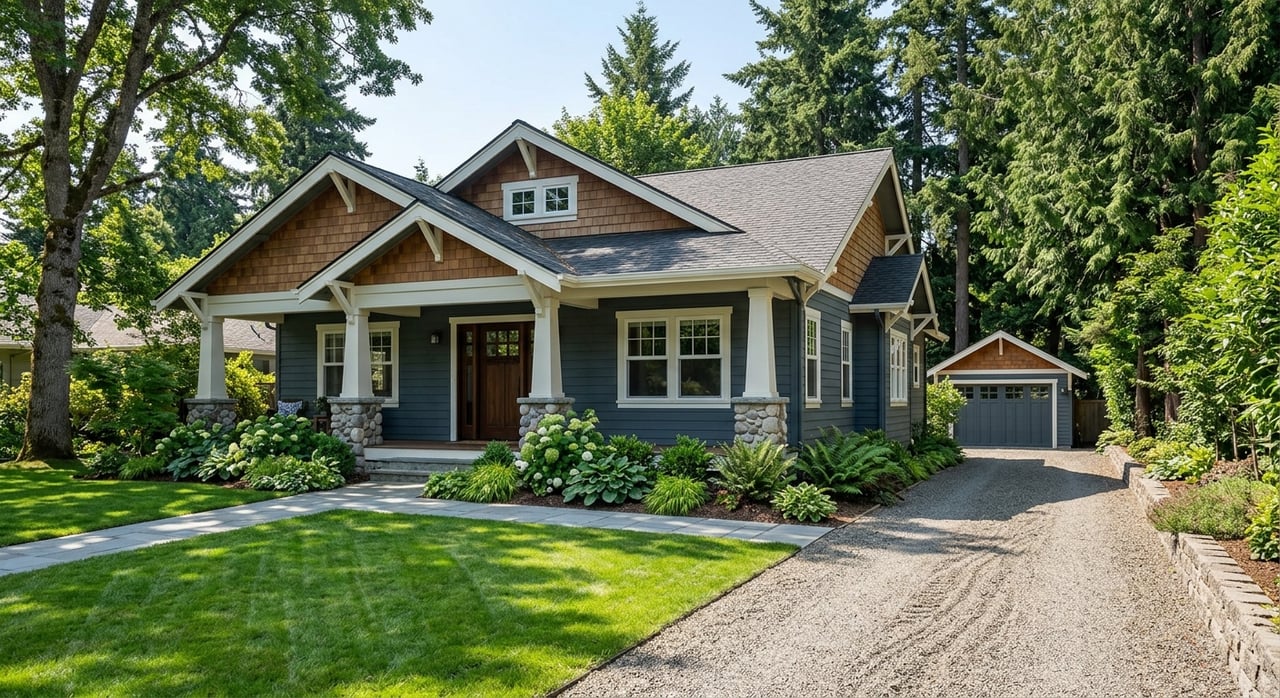
You will find a mix of early 20th‑century homes near downtown, modest single‑family homes on in‑town lots, small acreage properties nearby, and occasional ranch or riverfront properties farther out. Entry‑level inventory can be thin. On the high end, larger acreage and river‑oriented properties come to market less frequently and move quickly when priced well.
Commute reality: time, routes, and reliability
Distance and drive time
The distance between central Livingston and central Bozeman is roughly 25 to 27 miles one way, with typical drive times of about 25 to 40 minutes depending on time of day and conditions. For planning, many commuters treat 26 miles and 40 minutes one way as a conservative estimate. You can verify your exact door‑to‑door route using a map tool or check the reference distance on Travelmath’s Livingston to Bozeman drive distance page.
The primary route is I‑90 over Bozeman Pass. It is a scenic corridor, but it is also a mountain pass with variable weather.
Weather, construction, and closures
Montana Department of Transportation studies document recurring wind and blowing‑snow events that can trigger partial or full I‑90 closures between Livingston and the Bozeman area. During closures, traffic may be routed through Livingston and nearby corridors, which can add delays. The closure process itself can take time during severe events. Review the state’s findings in the I‑90 Closure Study Final Report.
In addition, MDT’s 2025–2026 work in the Bozeman–Livingston corridor, including the Bear Canyon to Jackson Creek area, can reduce lanes and create slower travel through work zones. See the MDT project fact sheet for current context.
Practical tip: build a routine of checking conditions before you leave, especially in winter. The state’s 511 tools and MDT updates are essential during storms and active construction.
Transit and car‑light options
- Streamline bus: A zero‑fare public transit connection runs between Livingston and Bozeman with limited daily frequency. It can work well for standard shifts but may not cover every schedule. You can preview options via Rome2rio’s Livingston to Bozeman transit summary and the City of Livingston’s transportation resources page.
- Park County Windrider: Local fixed‑route and Dial‑A‑Ride services operate in Livingston and offer some trips to Bozeman, often for medical appointments. Details are on Park County Transit’s Windrider page.
If your job is onsite with strict hours, expect to drive most days. If you have hybrid flexibility, mixing a few bus days or carpooling can reduce costs and stress.
Does the math pencil out? Real‑world examples
Below are simple examples to help you run your own numbers. Adjust the distance, workdays, gas price, and interest rate to match your situation.
Assumptions used here:
- One‑way distance: 26 miles (within the 25–27 mile range). Roundtrip 52 miles per day.
- Workdays: 5 per week. Commutable weeks: 48 per year.
- Fuel economy: 30 mpg for the fuel‑only example.
- Gas price: U.S. average $3.72 per gallon for the week of March 16, 2026, from the EIA weekly fuel update.
- All‑in vehicle cost proxy: IRS 2026 standard mileage rate of $0.725 per mile from the IRS bulletin.
Scenario A: All‑in commuting cost (IRS rate)
- Weekly miles: 52 miles × 5 days = 260 miles.
- Annual miles: 260 × 48 weeks = 12,480 miles.
- Annual cost: 12,480 × $0.725 = about $9,048 per year.
- Monthly equivalent: about $754.
This rate is a helpful proxy because it bundles fuel, maintenance, tires, depreciation, and more.
Scenario B: Fuel‑only cost
- Annual gallons: 12,480 miles ÷ 30 mpg = about 416 gallons.
- Annual fuel cost at $3.72/gal: about $1,548.
- Monthly equivalent: about $129.
This ignores wear, maintenance, and the value of your time.
Scenario C: Housing price gap to monthly payment
- Example medians: Livingston about $542,500 vs. Bozeman about $775,000. Gap: about $232,500.
- If you finance 80 percent of the purchase (20 percent down), the loan difference is about $186,000.
- At an illustrative 6 percent rate on a 30‑year fixed, that difference is about $1,115 per month in principal and interest. Use your lender’s current rate for a live estimate.
Pulling it together
- If you treat the IRS mileage rate as your all‑in commute cost, the Livingston purchase in this example still nets about $361 per month in savings after commuting costs ($1,115 minus $754).
- If you only count fuel, the net savings look larger at roughly $986 per month ($1,115 minus $129).
Your outcome hinges on your schedule and how you value your time. If you commute five days a week on fixed hours, the time cost can offset part of the housing savings. If you commute fewer days or can use the bus at least some of the time, the Livingston option becomes more compelling.
Lifestyle and day‑to‑day tradeoffs
Many buyers choose Livingston for its historic downtown, arts presence, and proximity to the Yellowstone River and Paradise Valley. It offers a distinct small‑town feel with easy access to outdoor recreation and nearby hot springs. For a flavor of the area’s appeal, see this overview of Montana towns to visit.
Day‑to‑day services exist in both places, but Bozeman has a broader selection. Livingston has local healthcare through Livingston HealthCare. Bozeman’s larger job base and amenity set reflect continued demand from employers and residents; for a market context snapshot, review the Bozeman multifamily demand summary in Cushman & Wakefield’s Q3 2025 report.
If you often work late, attend events, or need same‑day specialist services, build in the return trip time. Some commuters keep a winter bag in the car and maintain a flexible plan for nights with wind or blowing snow.
A simple decision checklist
Use this to pressure‑test whether living in Livingston and working in Bozeman fits your lifestyle and budget.
Map your exact commute. Check drive times during your actual start and end windows. In winter, review MDT updates and the I‑90 closure study to understand risk points.
Lock in your schedule. How many days per week must you be onsite in Bozeman with no flexibility?
Test transit options. Review Streamline’s Livingston–Bozeman runs via Rome2rio and Park County’s Windrider info. Could you ride the bus one or two days each week?
Compare like with like. Evaluate Livingston vs. Bozeman homes using the same filters: single‑family vs. all property types, city limits vs. county, and similar lot sizes.
Get a lender quote. Use current rates and include taxes and insurance. Re‑run Scenario C with your numbers.
Value your time. If the commute adds 1.5 hours per weekday and you value your time at $25 per hour, that is roughly $188 per week or about $9,000 per year in time value. Add that to your Scenario A or B estimate for a fuller picture.
Plan for closures. Ask your employer how flexible they are on weather days. Know whether you can work remote if I‑90 closes.
Bottom line
If you want more house, character, or land for the money, Livingston delivers strong value. If you need daily, fixed‑hour onsite work in Bozeman, the commute and winter variability become meaningful costs. Many buyers land on a middle path: buy in Livingston, target a hybrid schedule, and use transit or carpooling when possible. When your schedule and numbers both work, the result can feel like the best of both worlds.
If you are weighing homes in Livingston vs. Bozeman and want a clear, side‑by‑side plan that matches your commute and budget, let’s talk. Our team lives and works in the Gallatin Valley and guides clients through these tradeoffs every week. Connect with Chelsea Stewart to map your options and move forward with confidence.
FAQs
How long is the commute from Livingston to Bozeman on a normal day?
- Typical one‑way drive time is about 25 to 40 minutes over roughly 25 to 27 miles, using I‑90 over Bozeman Pass. Actual time varies with traffic, weather, and incidents.
Is there a bus between Livingston and Bozeman for commuters?
- Yes. Streamline offers a zero‑fare connection with limited daily frequency. It works for some standard shifts. Preview options via Rome2rio’s transit summary and the City’s transportation page.
How risky is the I‑90 commute in winter between Livingston and Bozeman?
- MDT reports recurring wind and blowing‑snow events that can cause slowdowns or closures. Review the I‑90 closure study and check state updates before winter commutes.
How much could I save on housing by living in Livingston?
- Using recent medians, Livingston around $542,500 vs. Bozeman around $775,000 implies a gap near $232,500. Financed at common terms, that difference can translate to about $1,115 per month, before commute costs.
What types of homes are common in Livingston compared with Bozeman?
- Livingston offers historic in‑town homes, modest single‑family properties on city lots, small acreage options nearby, and occasional larger ranch or river‑oriented listings. Availability varies by season and price.
How do I estimate my true commute cost for budgeting?
- Start with your roundtrip miles × workdays × 48 to 50 weeks per year. Multiply by the IRS $0.725 per‑mile rate for an all‑in proxy, or estimate fuel‑only using your mpg and the EIA weekly fuel price. Then add the value of your time.