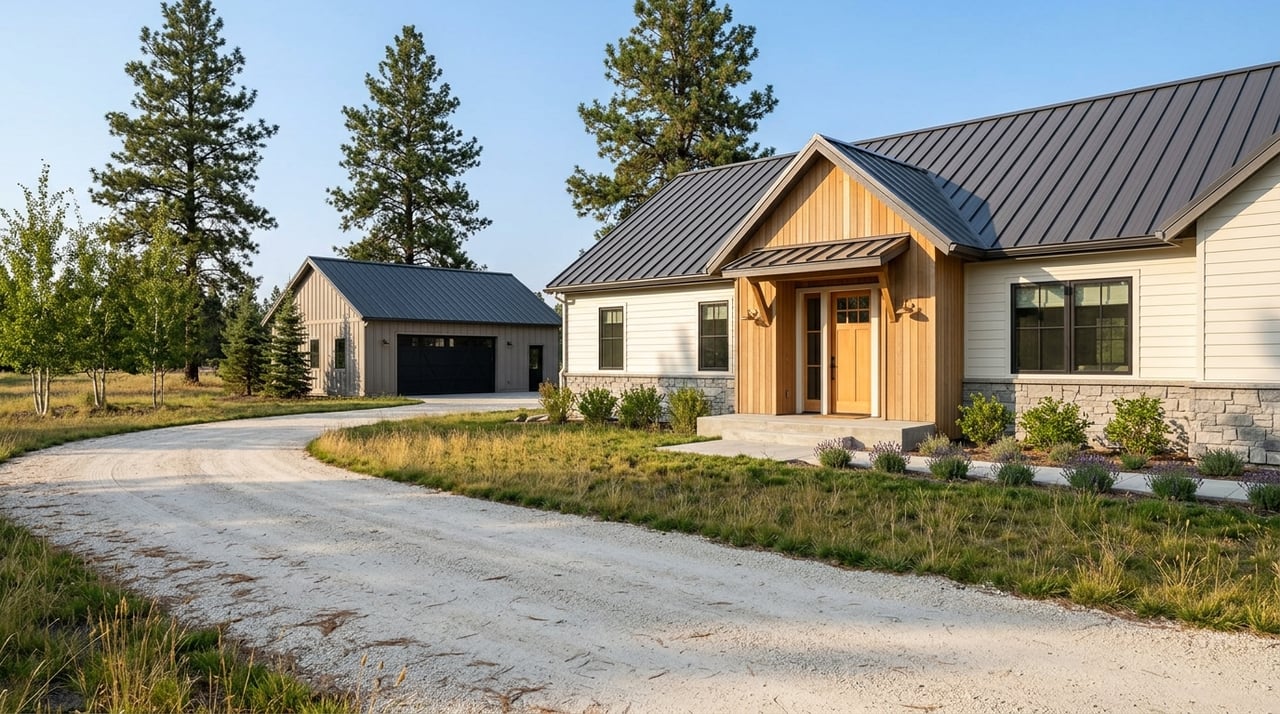
If you picture acreage near Manhattan, Montana as endless freedom with no tradeoffs, it helps to pause for a reality check. The appeal is real: open space, big views, and a little more breathing room than many in-town properties can offer. But life on acreage here also comes with road questions, water planning, seasonal work, and a level of day-to-day self-management that surprises some buyers. If you want the lifestyle and the practical side, this guide will help you think it through. Let’s dive in.
Why acreage near Manhattan stands out
Manhattan sits in Gallatin County, a place that blends productive agricultural land, growing development, and wide-open scenery. The county spans more than 2,500 square miles, with terrain ranging from river valleys to mountain landscapes, and nearly half of the county is under public ownership. That creates a setting where acreage often feels connected to working land and regional growth, not cut off from it.
That balance is part of the draw. You can enjoy privacy, open views, and room to spread out while still being within reach of major Gallatin Valley hubs. At the same time, Gallatin County has seen continued conversion of pasture and rangeland into developed land, which means that open space can feel especially valuable because it is not unlimited.
Manhattan acreage is not isolated living
One of the biggest misconceptions about acreage near Manhattan is that it means remote, frontier-style living. In many cases, it is better described as rural space with access to everyday services, jobs, and amenities across the valley. That makes it appealing if you want a quieter home base without giving up connection to Bozeman, Belgrade, or the broader Gallatin Valley.
In normal conditions, Manhattan is about 9.4 miles and 9 minutes from Belgrade and about 20.3 miles and 23 minutes from Bozeman. For many households, that makes commuting very doable. Still, winter weather and road conditions can change the feel of that drive quickly, so mileage is only part of the story.
Water should be your first question
If you are considering acreage, water deserves attention before gardens, animals, or future outbuildings. In rural parts of Gallatin County, many properties rely on private wells, and Gallatin County notes that sewer service is usually limited to municipalities. That means the practical capacity of a well and septic setup can shape how you use the property every day.
Montana DEQ says private well owners should test for nitrate and bacteria at least once a year. DEQ also makes clear that owners of private wells and septic systems are responsible for protecting groundwater. In other words, water is not a background detail on acreage. It is one of the most important parts of long-term ownership.
Water quantity matters as much as water quality
A well may exist, but that does not automatically mean it will support every use you have in mind. Gallatin County’s Code of the West warns that water quantity can be unreliable enough that daily household use, garden watering, and agricultural needs may compete with each other. If you are dreaming about a large garden, hobby livestock, or extensive landscaping, that question becomes even more important.
This is also why irrigation matters. Gallatin County’s long-range conservation plan notes that water conveyance through ditches and canals plays a major role in agriculture and groundwater recharge, and late-season irrigation storage is limited. On some properties, especially in drier areas, irrigation planning can be just as important as the home itself.
Gardening takes planning here
Acreage often inspires visions of raised beds, greenhouses, orchards, or small homestead plots. That can absolutely be part of the lifestyle, but in Gallatin County it usually works best with realistic expectations about water, soil management, and the growing season. A big yard does not always equal easy gardening.
Climate data from nearby Bozeman helps set expectations. Average January temperatures are 34.2°F for highs and 15.1°F for lows, while average July temperatures are 82.1°F for highs and 51.7°F for lows. The county’s conservation plan also cites an average growing season of about 107 days, which points to a shorter gardening window than many buyers expect.
Summer work replaces suburban simplicity
On acreage, summer often means irrigation checks, weed control, fence-line maintenance, and land monitoring. Gallatin County’s long-range plan identifies more than 40 noxious weeds in the county and notes that small-acreage landowners can be vulnerable to overgrazing and weed pressure. That makes land care an ongoing responsibility, not a once-a-month task.
If you love hands-on outdoor living, this can be part of the appeal. If you prefer a lower-maintenance property, it is worth being honest about how much time you want to spend managing the land. Acreage near Manhattan can offer a beautiful lifestyle, but it is rarely a set-it-and-forget-it one.
Hobby animals come with real logistics
For many buyers, one of the most exciting parts of acreage is the possibility of keeping horses or other hobby livestock. Gallatin County has a strong agricultural backdrop, with roughly 50,000 cows and calves, around 1,900 sheep, and more than 6,288 horses. That context makes rural land feel authentic and functional, not just scenic.
Still, open space comes with responsibilities. The county plan notes that winter feeding areas can be challenging because of snow, cold, shelter needs, and runoff risks. It also identifies wildlife in the broader county, including elk, mountain lions, wolves, and grizzly bears, which is why fencing, feed storage, and animal management matter on the ground.
Ask what the parcel really supports
Not every acreage property is equally suited for animals. Before you assume a parcel fits your plans, it is smart to look at water access, fencing needs, winter shelter possibilities, and the amount of usable land in different seasons. A property may look spacious in summer but function very differently in winter or during muddy spring conditions.
That does not mean you should avoid acreage if animals are part of your goals. It simply means the right property should match the kind of use you have in mind. This is where local guidance can save you from buying land that looks great online but works poorly in practice.
Road access can make or break the experience
Acreage buyers often focus on the house, views, and lot size first. In Gallatin County, road access deserves equal attention. The county’s Road and Bridge Department maintains more than 1,000 miles of roads, but subdivision roads and private roads are not county-maintained.
That difference can affect your winter routine, vehicle needs, and even your stress level. Gallatin County’s Code of the West says emergency response times cannot be guaranteed, some county roads may have no maintenance or snow removal, and snow removal on some roads can take up to 72 hours. In extreme weather, rural residents may need four-wheel drive with chains.
Snow changes daily life fast
Snow response depends in part on road type. Gallatin County says plowing generally starts after 2 inches on paved roads and 6 inches on gravel roads. In the Town of Manhattan, crews generally begin at 6 inches, and a snow emergency may be declared at 10 inches.
This is why one of the most important questions to ask is simple: Is the property on a county-maintained road, a subdivision road, or a private road? The answer can shape everything from commute reliability to how much equipment or contractor help you may need. A long private driveway can be just as important as the public road that leads to it.
Zoning and building rules deserve early review
If you are buying acreage for future flexibility, do not skip the zoning conversation. Gallatin County says portions of the county are zoned, and buyers should check with the planning department before buying or building. The county also provides an interactive zoning map to help identify district rules.
If a property is inside the Town of Manhattan, there is a separate zoning review process for new structures and additions. The town reviews projects based on current zoning and submitted site plans. That means your plans for a shop, barn, guest structure, or expansion may depend on where the parcel sits and what local rules apply.
Acreage is about use, not just size
This is one of the biggest mindset shifts for buyers moving from more suburban settings. A larger parcel does not automatically mean unrestricted freedom. The right question is not just how many acres there are, but how the land can be used under current zoning, review standards, and any private covenants.
When you approach acreage this way, you make a more informed decision. You are not only buying space. You are buying a specific setup with specific opportunities and responsibilities.
What the seasonal rhythm really feels like
Life on acreage near Manhattan often follows a clear annual rhythm. Winter can mean snow removal, slower roads, and extra planning for access. Spring can bring thaw, mud, and the start of irrigation and land cleanup.
Summer is often the busiest season for mowing, weed control, fence repairs, and garden work. Fall is when many owners prepare for colder temperatures, shorter days, and the next round of snow. That rhythm is part of the charm for many buyers, but it works best when you choose it with open eyes.
Is acreage near Manhattan right for you?
Acreage can be a great fit if you value privacy, room to grow, and a more hands-on connection to your property. It can also be a smart option if you want access to the Gallatin Valley while enjoying a quieter setting with more separation from neighboring homes. For many buyers, that balance is exactly what makes Manhattan so appealing.
The best results usually come from matching the property to your real lifestyle. If you want gardens, animals, outbuildings, or future improvements, the details behind water, roads, and zoning matter just as much as the views. When you evaluate acreage through that lens, you can move forward with much more confidence.
If you are exploring acreage near Manhattan and want a local perspective on what to look for, connect with Chelsea Stewart for thoughtful guidance on finding the right fit in the Gallatin Valley.
FAQs
What is life on acreage near Manhattan, Montana really like?
- Life on acreage near Manhattan often means more privacy, open views, and usable outdoor space, but it also usually includes hands-on land care, water planning, and winter road considerations.
What should buyers ask about water on Manhattan acreage?
- Buyers should ask whether the property uses a private well, how much water is available for household use and irrigation, and how the well and septic system have been maintained and tested.
What road questions matter for acreage near Manhattan?
- Buyers should find out whether the parcel is on a county-maintained road, subdivision road, or private road, because snow removal and maintenance responsibilities can vary significantly.
What zoning rules apply to acreage in Gallatin County?
- Gallatin County says portions of the county are zoned, so buyers should check planning rules before buying or building, and properties inside the Town of Manhattan go through a separate zoning review for new structures or additions.
Can you garden on acreage near Manhattan, Montana?
- Yes, but gardening usually requires planning for irrigation, soil conditions, and a relatively short growing season of about 107 days in the broader area.
Is acreage near Manhattan good for hobby livestock?
- Some parcels may work well for hobby livestock, but buyers should review water access, fencing, winter shelter needs, and the practical layout of the land before assuming a property will support that use.