If you are deciding between a historic home and a newer home in Livingston, you are really choosing between two different lifestyles. One may offer original character, established streets, and renovation potential, while the other may offer fewer immediate projects and a more current code-era build. The right fit depends on how you want to live, how much work you are comfortable taking on, and what kind of ownership experience you want. Let’s dive in.
Livingston Housing Has Two Strong Paths
Livingston has deep roots and a changing housing market. The city was incorporated in 1889, is the county seat of Park County, and had a population of 8,040 in the 2020 census. It also has four National Register historic districts: Westside Residential, Eastside Residential, B Street, and Downtown.
At the same time, Livingston is planning for future growth. City planning documents identify residential growth areas north and west of Palace Addition and northeast of town. The city also reported 96 building permits in fiscal year 2024, including 28 for residential units, while noting a shortage of available lots.
That mix helps explain why buyers often compare older homes with newer options here. Livingston is working to preserve its historic identity while also adding housing supply through infill and growth planning.
What Historic Homes Offer in Livingston
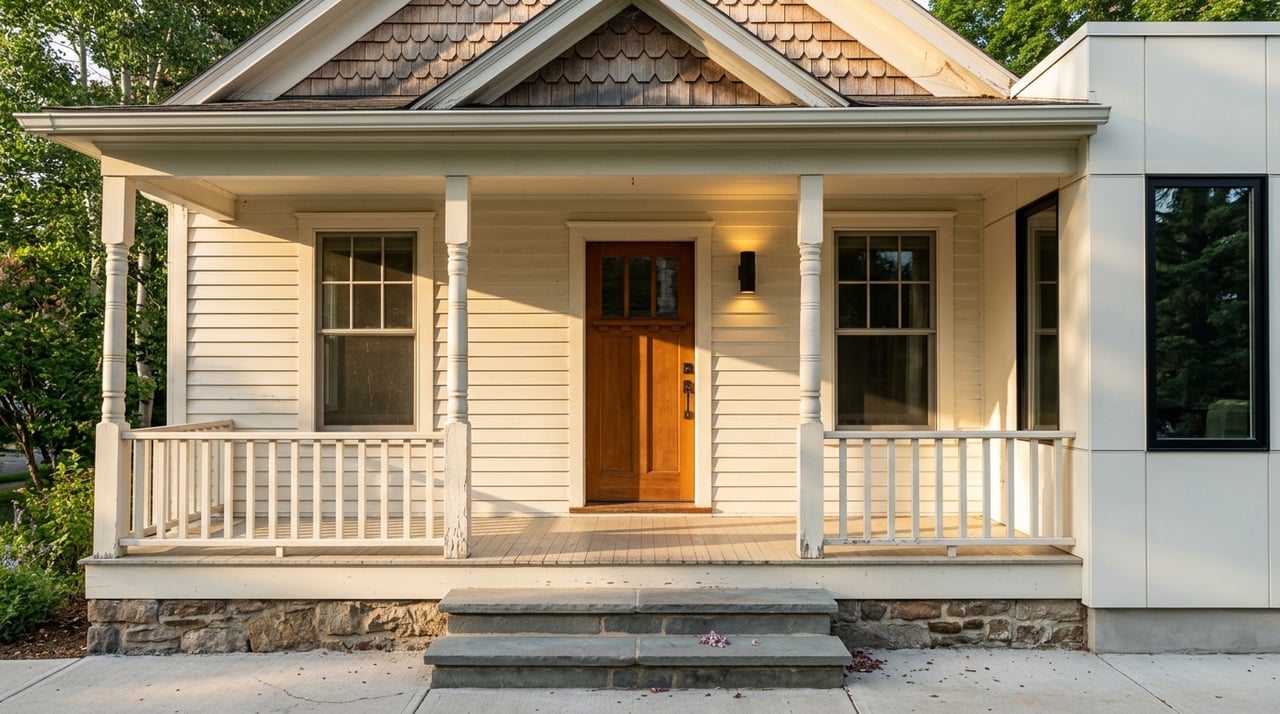
Historic homes in Livingston often appeal to buyers who want character that is hard to recreate. In the older parts of town, you may find mature trees, front porches, established street patterns, and homes tied to the city’s early railroad-era development.
In many cases, location is part of the appeal. Older districts are often closer to the commercial core than newer growth areas. That can shape your day-to-day experience just as much as the home itself.
Historic Districts Have Distinct Features
The Westside Residential District sits about 13 blocks southwest of the commercial core. It is known for post-1900 housing, tree-lined streets, porches, and a mix of modest and larger homes.
The Eastside Residential District developed between 1900 and 1910 opposite the railroad shops. About three-quarters of the houses were built before 1907, and many reflect simple four-square and hip-roof forms.
The Downtown Historic District works a little differently because visible exterior changes and signage are more tightly controlled. If you are buying there and want to remodel the front of the property, review rules matter in a very practical way.
Historic Homes Can Offer Renovation Potential
Some buyers see older homes as an opportunity to personalize a property over time. In Livingston, that can be rewarding, but it works best when you understand the local preservation framework before you make an offer.
The city requires Historic Design Review for exterior and signage modifications within the Downtown Historic District, including painting and facade changes. Applications must be submitted 10 days before the monthly Historic Preservation Commission meeting.
There may also be local financial support in some cases. The Urban Renewal Agency runs a Residential Rehabilitation Grant Program within the Livingston Urban Renewal District, with grants of up to 50% of project costs and a maximum of $250,000 per unit, subject to approval and the city’s historic review process.
What to Watch With Older Homes
Older homes can be wonderful, but they usually come with more variables. Livingston’s planning documents say 72 percent of the city’s housing stock was built before 1980, and the city notes that older homes are more likely to have deferred maintenance, outdated systems, roof leaks, heating and cooling deficiencies, inadequate windows, and higher energy costs.
That means an older home should be viewed as both a home purchase and a project plan. Even if a property shows well, you still want to understand the true condition of its systems, structure, and past updates.
Lead and Age Matter
If you are considering a pre-1978 home, lead-based paint should be part of your due diligence. Buyers of most pre-1978 homes have the right to receive lead disclosures before signing a contract and are entitled to a 10-day period to inspect for lead hazards unless that opportunity is waived in writing.
The age of the home can affect risk. EPA estimates that 87 percent of homes built before 1940 and 24 percent of homes built between 1960 and 1978 contain some lead-based paint.
Repairs May Be Better Than Replacement
With historic homes, the best upgrade path is not always a full replacement. National Park Service guidance says preservation focuses on maintenance and repair rather than extensive replacement and new construction, while still allowing sensitive updates to mechanical, electrical, and plumbing systems.
That is especially relevant for windows and doors. Historic windows can often be repaired or upgraded, and storm windows may improve efficiency while helping preserve original character.
What Newer Homes Offer in Livingston
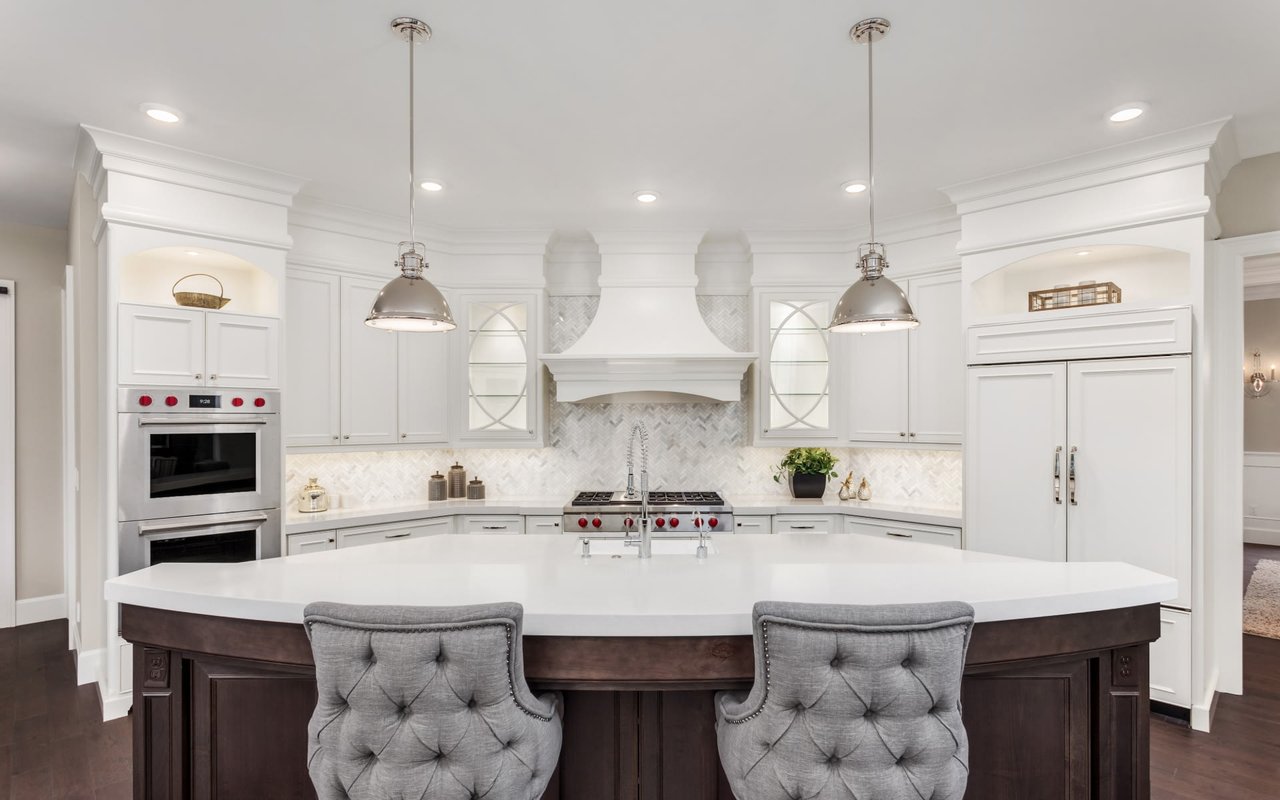
Newer homes in Livingston usually attract buyers who want a more straightforward ownership experience. If your priority is fewer near-term repairs, more recently built systems, and fewer preservation-related approval layers, a newer home may feel like the easier fit.
This is especially true outside the historic districts and in areas tied to newer growth. Since Livingston is facing a shortage of available lots and planning for additional housing, newer homes often reflect the city’s effort to add supply while meeting current development needs.
Current Codes Can Reduce Surprises
Livingston’s Building & Planning Department reviews plans and performs inspections using the International Building Code and International Residential Code, which the city re-adopts about every three years. For buyers, that does not guarantee a perfect home, but it does mean newer construction is more likely to align with the current code cycle rather than inherit decades of deferred maintenance.
The city also requires permits for structural work such as re-roofing, changing door or window openings, moving or adding walls, and building exterior decks. Periodic inspections help verify that work meets adopted code.
Newer Homes Often Mean Fewer Approval Layers
In practical terms, newer homes are often simpler for buyers who want flexibility without preservation review. If the property is outside a historic district, exterior changes may be more straightforward than they would be in an area with design review requirements.
That simplicity can matter if you want to make changes soon after closing. It can also help if you are trying to manage your first year of ownership with fewer unknowns.
How to Choose the Better Fit
The decision usually comes down to your priorities, budget, and tolerance for projects. A historic home may be the better choice if you care most about architectural character, established surroundings, and the chance to improve a home over time within a preservation framework.
A newer home may be the better fit if you want a more move-in-ready purchase, more current systems, and fewer near-term maintenance or approval issues. Neither option is automatically better. The best choice is the one that matches how you want to spend your time and money after closing.
Questions to Ask Before You Buy
No matter which direction you lean, a few local questions can help you make a smarter decision in Livingston:
- What year was the home built?
- Which major systems have been replaced or updated?
- Is the property located in a historic district?
- If it is in the Downtown Historic District, what exterior changes have already been approved?
- For pre-1978 homes, were lead disclosures provided?
- Have any certified lead inspections or risk assessments been completed?
- Are the windows original, and have repair or storm-window upgrades been considered?
- Are permits and final inspections on file for major structural changes such as roof work, wall changes, deck additions, or window and door opening changes?
These questions can tell you a lot about the true cost and complexity of ownership. In Livingston, the property’s age, district status, permit history, and system condition are often just as important as square footage or finishes.
The Bottom Line for Livingston Buyers
Livingston gives you two compelling paths. Historic homes can offer personality, established settings, and long-term renovation upside, while newer homes can offer convenience, more current construction standards, and less near-term work.
If you are comparing both, the smartest move is to look beyond surface appeal. Once you understand the home’s age, condition, district status, and permit history, you can make a decision with more confidence and fewer surprises.
If you want help weighing historic charm against newer-home convenience in Livingston, connect with Chelsea Stewart for local guidance and a thoughtful buying strategy.
FAQs
What makes a historic home in Livingston different from a newer home?
- Historic homes in Livingston often offer architectural character, mature streetscapes, and closer ties to the city’s early development, while newer homes often offer fewer immediate repairs, more current systems, and fewer preservation-related approval layers.
What historic districts should Livingston buyers know about?
- Livingston has four National Register historic districts: Westside Residential, Eastside Residential, B Street, and Downtown, with the Downtown Historic District having tighter controls on exterior and signage changes.
What should buyers ask about older homes in Livingston?
- Buyers should ask about the home’s age, major system updates, permit history, district status, lead disclosures for pre-1978 homes, and whether previous structural work received required permits and final inspections.
Are renovations harder in Livingston historic districts?
- Some renovations can involve extra review, especially in the Downtown Historic District, where exterior changes such as painting and facade work require Historic Design Review through the city.
Why might a newer home be a better fit in Livingston?
- A newer home may be a better fit if you want fewer near-term repairs, construction that is more likely to align with the current code cycle, and a simpler ownership experience outside historic review areas.