Wondering whether an older part of Belgrade or a newer subdivision is the better fit for your next move? It is a smart question, especially in a growing market where daily lifestyle details can matter just as much as the house itself. If you are comparing character, commute, sidewalks, parking, or HOA rules, this guide will help you sort through the tradeoffs and make a more confident decision. Let’s dive in.
Belgrade Growth Shapes Your Options
Belgrade has been growing quickly, and that growth is changing what buyers see from one neighborhood to the next. The U.S. Census Bureau estimates Belgrade had 12,741 residents in 2024, which is a 21.6% increase from 2020.
That growth matters because it creates a mix of housing choices in a relatively compact market. You may be comparing an older home near the traditional downtown grid with a newer home in a subdivision shaped by current planning and design standards.
Belgrade also has a strong family housing component. Census data show that 25.4% of residents are under 18, with a 56.1% owner-occupied housing rate, a median owner-occupied home value of $535,200, and a median gross rent of $1,877.
For you as a buyer, those numbers help explain why neighborhood details matter. Lot size, layout, parking, and HOA obligations can all affect how a home works for your budget and your day-to-day routine.
Established Neighborhoods in Belgrade
Established areas in Belgrade often appeal to buyers who want a more traditional setting. In and around the downtown core, the city’s design planning documents describe a historic street grid with strong connectivity and central access to Main Street destinations.
That can translate into a more rooted, recognizable neighborhood feel. If you like the idea of being closer to downtown businesses and a more traditional block pattern, established areas may stand out right away.
What older areas often offer
Older parts of Belgrade are often valued for identity and character. Public input in the city’s downtown planning process emphasized historic preservation, architectural uniformity, improved sidewalks, and more outdoor seating, which points to the importance of place and community feel in the core.
This does not mean every older home looks the same or functions the same way. It means these areas are often appreciated for their sense of history and their connection to Belgrade’s established center rather than for a newer, more uniform subdivision layout.
What to watch in daily use
There are practical tradeoffs in established areas. The city’s downtown materials note fragmented and deteriorating sidewalks in some locations, along with limited public parking.
If you are used to wider streets, newer sidewalks, or easier guest parking, this is worth noticing during your home search. A charming location can still come with tighter daily logistics.
Winter access is another detail to review. Belgrade’s Street Maintenance Division says it maintains more than 200 lane miles of roadways, including local streets and cul-de-sacs, but alleys do not receive regular winter maintenance.
If a property relies on alley access, you will want to think through snow storage, vehicle access, and how that setup may feel during winter months. These are small details until they affect your daily routine.
New Construction in Belgrade
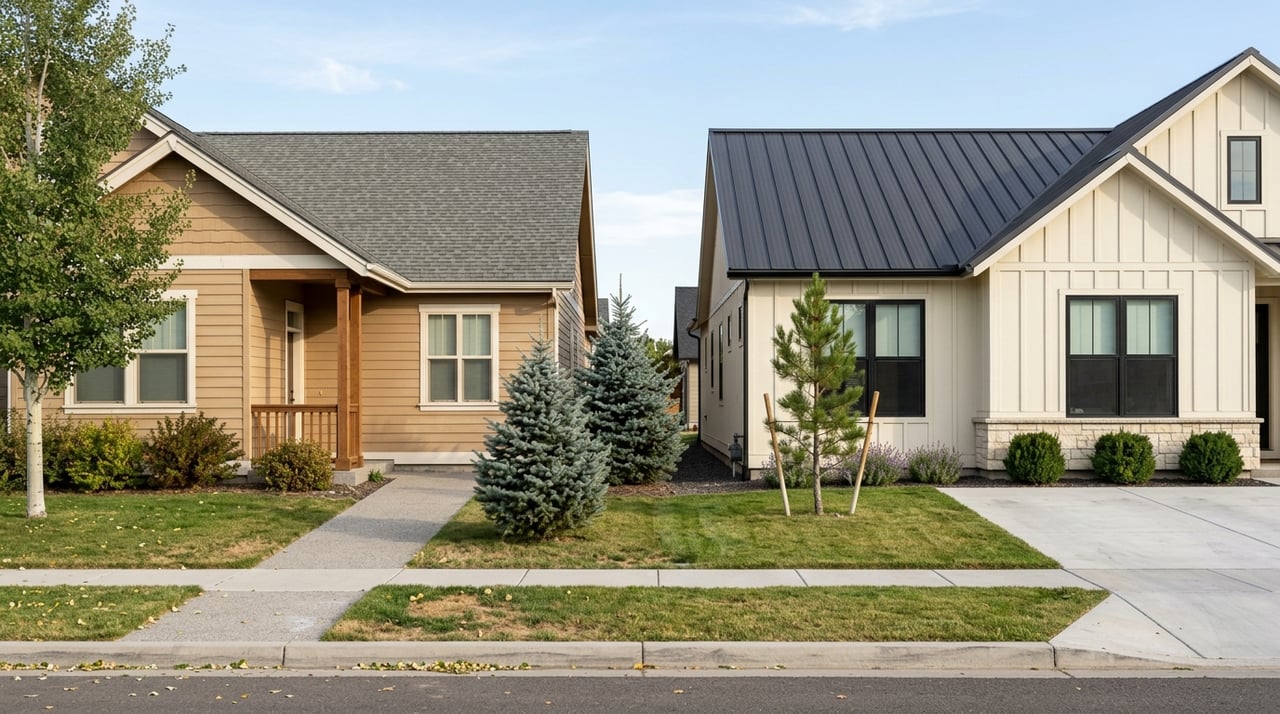
Newer construction in Belgrade often reflects the city’s current planning direction. As Belgrade updates how it plans for growth, new neighborhoods are being shaped by subdivision regulations and design standards rather than the older downtown street grid.
That usually creates a different living experience. Instead of a historic core feel, you may see more intentionally planned street patterns, newer infrastructure, and neighborhood layouts designed around current expectations.
What newer neighborhoods often offer
Belgrade’s subdivision rules define road types such as frontage access roads, loops, dead-end roads, and cul-de-sacs. The city’s design standards also say cul-de-sacs are generally not allowed unless site conditions make them necessary.
In practical terms, this means many newer areas are being laid out with a more formal street network in mind. For you, that can mean a neighborhood that feels more planned from the start rather than one that evolved over time.
Belgrade’s planning materials also point toward improved sidewalks, marked crossings, bicycle facilities, and off-street multi-use paths in future growth areas. Community planning concepts also include neighborhood parks, a mix of housing types, and neighborhood-serving commercial uses.
That does not guarantee every new subdivision will have every feature. It does suggest that connectivity and open space are part of how newer growth is being approached in Belgrade.
HOA and covenant review matters
If you are buying new construction or in a newer subdivision, HOA review should be part of your process. The City of Belgrade says it approves HOA covenants to make sure final plat requirements are met, including things like weed and snow removal responsibilities on HOA-owned property.
The city also states that city code supersedes HOA parking restrictions on city-owned streets and alleys. It further notes that it does not validate all covenants against federal, state, and local law, so buyers should read CC&Rs carefully and not assume the documents answer every practical question.
This is one of the biggest differences between established and newer neighborhoods. A newer home may come with newer systems and a more structured community layout, but it can also come with added rules and responsibilities that you will want to understand before closing.
Lifestyle Tradeoffs to Compare
In Belgrade, the choice between established neighborhoods and new construction is usually less about one being better and more about which lifestyle fits you best. The right answer depends on how you want to live each day.
If you value a central location, a traditional street grid, and a sense of character, an established area may feel more natural. If you want a neighborhood shaped by current planning, newer infrastructure, and the possibility of more organized amenities, newer construction may be more appealing.
Here are a few questions worth asking as you compare homes:
- Is the home in a downtown-style block or a newer subdivision layout?
- How easy is parking for your household and guests?
- Are there alleys, and if so, how will winter access work?
- Does the neighborhood have an HOA or POA, and what does it actually maintain?
- Are sidewalks, crossings, trails, or open space important to your daily routine?
- Will your commute work better by car, transit, or a mix of both?
Commute Can Change the Answer
For many Belgrade buyers, the commute to Bozeman is a major part of the decision. A home that looks perfect on paper may feel very different once you factor in your daily route and transportation options.
Census data show Belgrade’s mean travel time to work is 24.6 minutes. That makes proximity to major roads or transit options an important part of neighborhood selection.
Streamline offers zero-fare weekday commuter service to Belgrade. Its Pinkline route connects Bozeman with downtown Belgrade and Belgrade High School using published timepoints rather than all-day on-demand service.
The Bozeman transportation master plan also notes that the Belgrade commuter route, called the Greenline Express, was created to meet increasing demand for public commuter service between Belgrade and Bozeman. If you commute regularly, it is smart to compare not just home features, but also how the neighborhood supports your real-life schedule.
How to Decide With Confidence
If you are choosing between an established Belgrade neighborhood and a newer build, start with your non-negotiables. Think about what matters most to you: location, parking, yard setup, sidewalks, rules, commute, or overall neighborhood feel.
Then look beyond the listing photos. Walk the streets, check parking conditions, notice whether the home depends on alley access, and review any HOA documents closely if you are considering newer construction.
In a fast-growing market like Belgrade, the better choice is usually the one that fits your routine, not just your wishlist. When you understand how each neighborhood type functions in daily life, it becomes much easier to choose a home you will feel good about long after move-in day.
If you want help comparing Belgrade neighborhoods, reading between the lines on new construction, or narrowing your options based on how you actually live, Chelsea Stewart is here to help you make a smart, local decision.
FAQs
What is the main difference between established and new Belgrade neighborhoods?
- Established areas often offer a traditional street grid, central location, and more character, while newer subdivisions are more likely to reflect current planning standards, formal street layouts, and newer infrastructure.
What should buyers know about HOAs in newer Belgrade subdivisions?
- Buyers should read CC&Rs carefully because the City of Belgrade only reviews HOA covenants for certain final-plat requirements, such as maintenance responsibilities on HOA-owned property, and does not fully validate all covenant language.
What are parking and winter concerns in older Belgrade areas?
- In older or downtown-style areas, you may see tighter parking and alley access, and the city notes that alleys do not receive regular winter maintenance.
How does the Belgrade-to-Bozeman commute affect neighborhood choice?
- Commute patterns can be a major factor because Belgrade has a mean travel time to work of 24.6 minutes, and some buyers may also want to consider Streamline’s zero-fare weekday commuter service between Belgrade and Bozeman.
Are newer Belgrade neighborhoods designed with trails and sidewalks in mind?
- City planning materials indicate that future growth areas may include improved sidewalks, marked crossings, bicycle facilities, off-street multi-use paths, and neighborhood-scale open space features.
Is an established Belgrade neighborhood or a new build better for resale?
- The better fit depends on your priorities and buyer demand at the time of resale, so it is important to compare location, functionality, rules, commute, and daily usability rather than assuming one category always performs better.